

![Motorcycle music system [Tested on Royal Enfield]](https://350cc.com/wp-content/uploads/2017/09/Motorcycle-Bluetooth-music-system-Tested-on-Royal-Enfield-150x150.webp)
Royal Enfield Launches Flying Flea, Its New Electric Sub-Brand
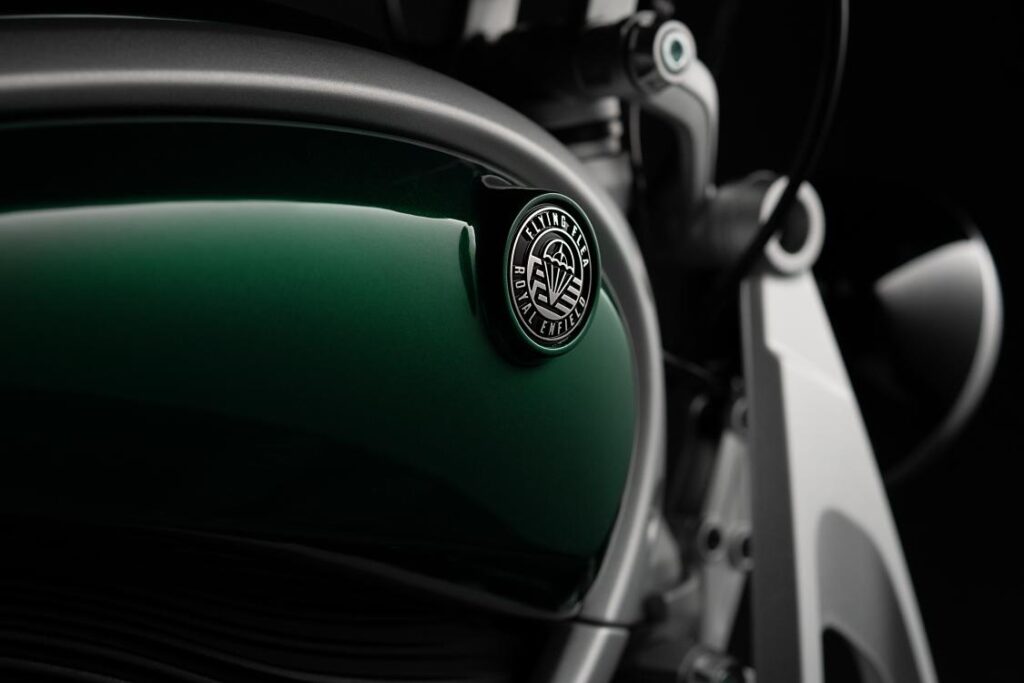
Royal Enfield is the world’s oldest motorcycle brand in continuous production. Now, it is making a bold move into the high-tech 21st century by looking back at WWII for inspiration. Say hello to Flying Flea, the brand’s new electric sub-brand.
Once a British icon and now an Indian powerhouse, Royal Enfield is using Flying Flea to lead its entry into electric mobility.
A Focused Electric Strategy for Urban Riders
Instead of chasing headlines with electric race bikes or adventure machines, Flying Flea is taking a focused approach. For the foreseeable future, the brand will concentrate entirely on urban commuters.
These will be lightweight, practical motorcycles designed for everyday use. Two models will lead the range: the C6 and the scrambler-inspired S6. Together, they represent Royal Enfield’s vision for accessible electric riding.
Why Flying Flea Exists as a Separate Brand
One of the most interesting decisions has little to do with the motorcycles themselves. Royal Enfield chose to launch its electric ambitions under a completely new sub-brand.
This strategy is well established in the automotive world. Toyota created Lexus, while Nissan spun off Infiniti. In both cases, the approach proved successful.
The move also provides a safety net. If the electric venture struggles, the core Royal Enfield brand remains protected. That idea of protection fits perfectly with the name Flying Flea.
The WWII Motorcycle Behind the Name
Flying Flea takes its name from a real WWII-era motorcycle. During the Second World War, Royal Enfield produced the WD/RE 125cc. Soldiers nicknamed it the Flying Flea.
The bike was light enough to be dropped by parachute alongside airborne troops. Once on the ground, soldiers used it to move quickly and deliver messages where radios were unavailable.
After the war, the Flying Flea became a popular commuter. Its legacy endured for decades. In 2020, Royal Enfield re-registered the Flying Flea trademark, hinting at its return.
Retro-Futuristic Design Inspired by History
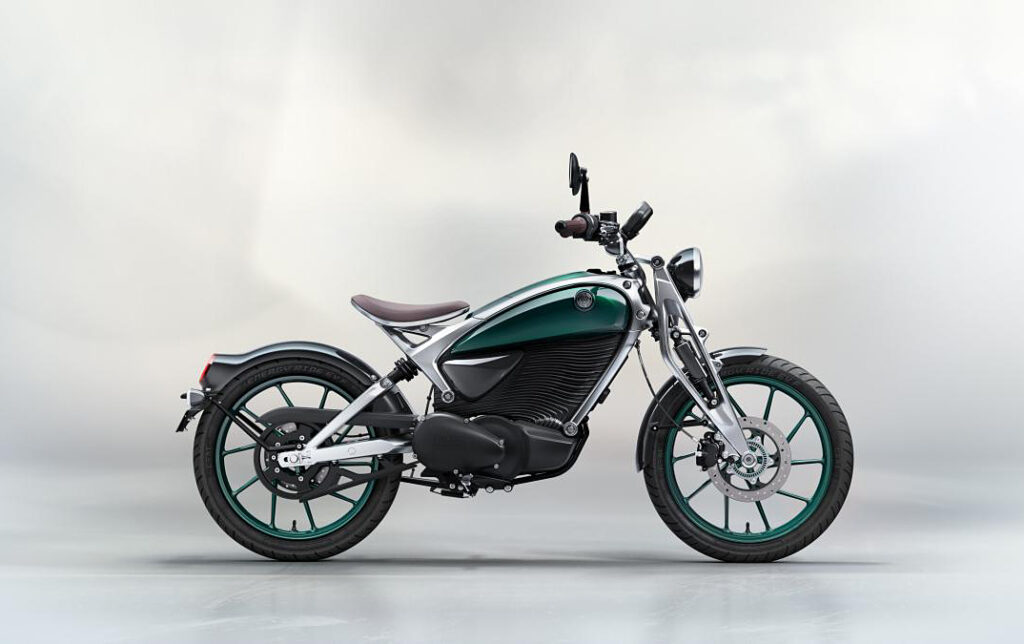
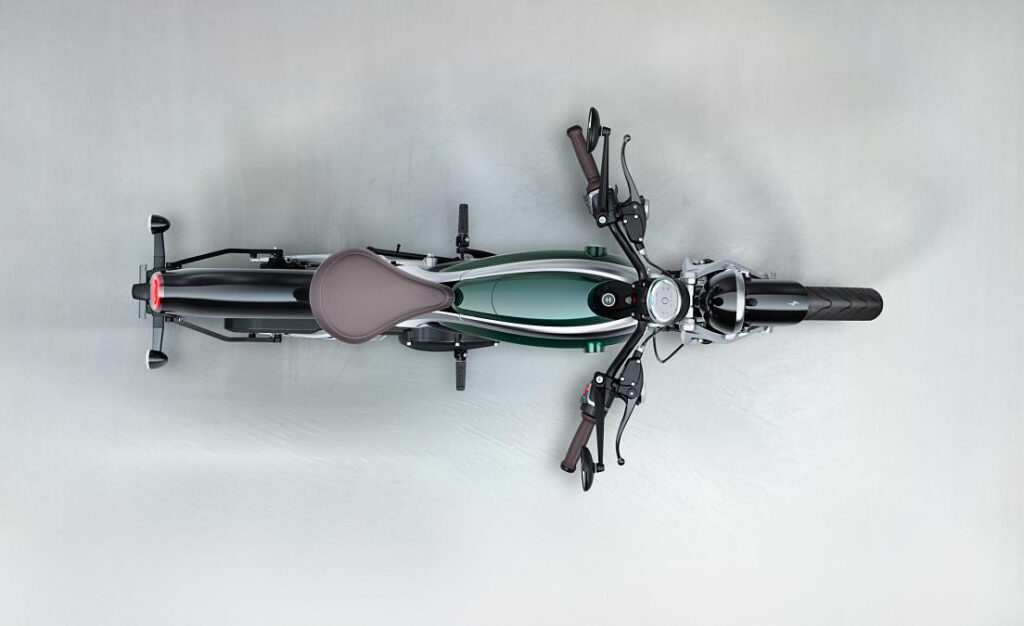
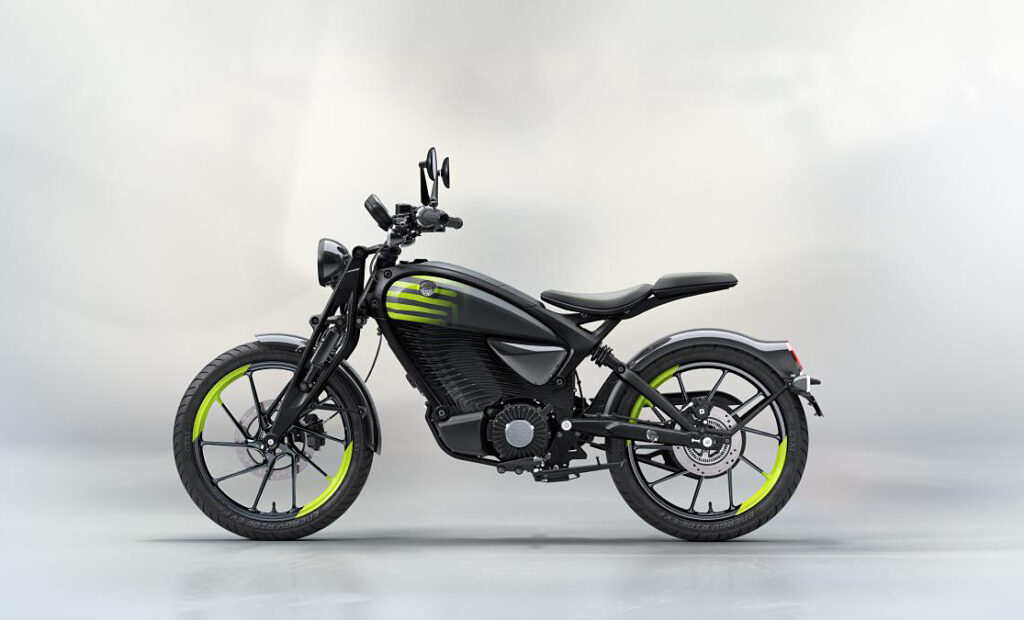
Today, the Flying Flea influence goes far beyond the name. The new electric models draw heavily from this heritage. Royal Enfield describes the design language as “retro-futuristic.”
The bikes blend wartime simplicity with modern technology. Classic proportions meet clean surfaces and contemporary components, creating a distinct visual identity.
Flying Flea C6 and S6 Explained
Flying Flea will launch with two models. The C6 will arrive first, followed later by the S6.
The “C” in C6 stands for Classic, while the “S” in S6 represents Scrambler. The number indicates each model’s position in the lineup. It reflects pricing, specification, and performance.
Without engine capacity figures, the numbers replace displacement as the main identifier. Lower numbers sit at entry level. Higher numbers will offer more features and greater range.
Range, Charging, and Real-World Performance
Official range figures have not been confirmed yet. However, early indications suggest around 100 km on a single charge. That figure suits daily urban commuting perfectly.
Royal Enfield is also emphasizing convenience. Riders will be able to recharge the bikes easily at home. Fast charging will be possible using a standard three-pin domestic plug.
Behind the scenes, more than 200 engineers are working on the Flying Flea project. Rather than chasing exaggerated claims, the team is prioritizing real-world usability.
Advanced Software with a Bespoke VCU
To support this approach, Royal Enfield has developed a bespoke Vehicle Control Unit for Flying Flea. A joint British–Indian engineering team created the system.
The VCU can manage more than 200,000 ride-mode combinations. It continuously analyses live data and adapts the bike’s behaviour. Riders can prioritise efficiency or a more engaging riding feel.
Much like six-axis IMUs changed modern superbikes, this VCU could reshape electric motorcycles. It shifts the focus away from raw power and toward overall ride quality.
Lightweight Engineering with Classic Proportions
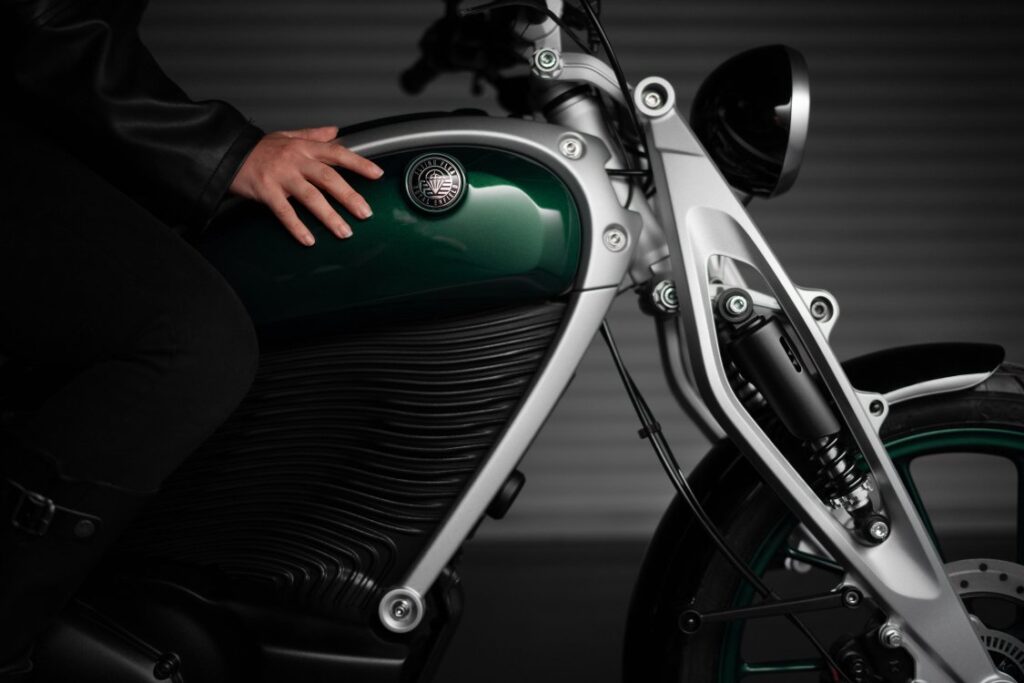
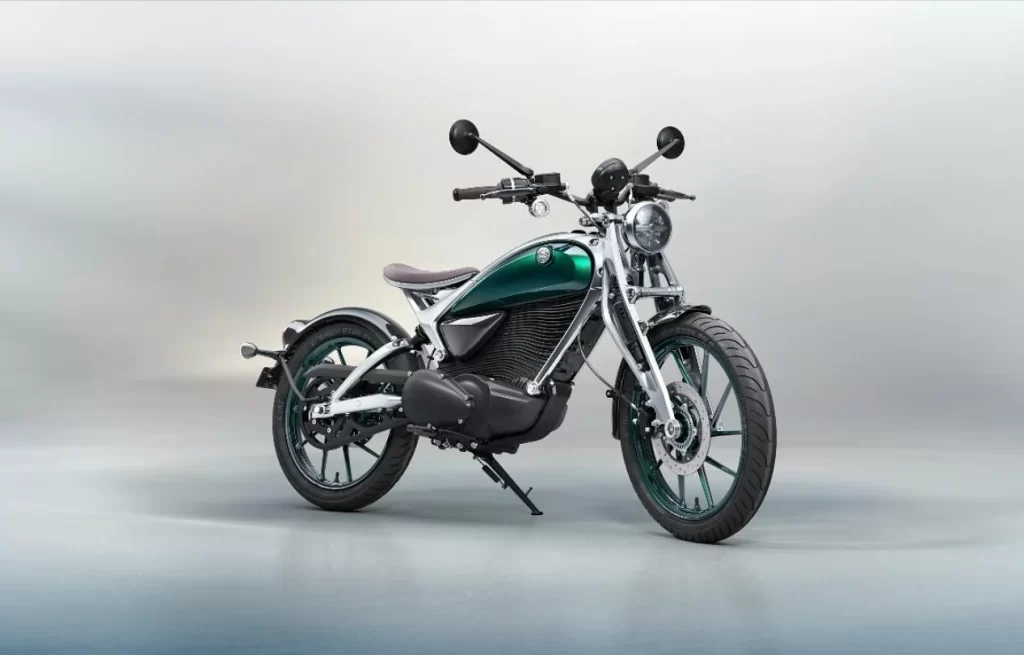
Weight plays a critical role in both performance and design. Royal Enfield addressed this with a forged aluminium frame and a magnesium battery case.
The brand also uses plastic panels to recreate the classic fuel-tank shape. Additional weight savings come from the single-shock rear swingarm and the aluminium girder-style front end.
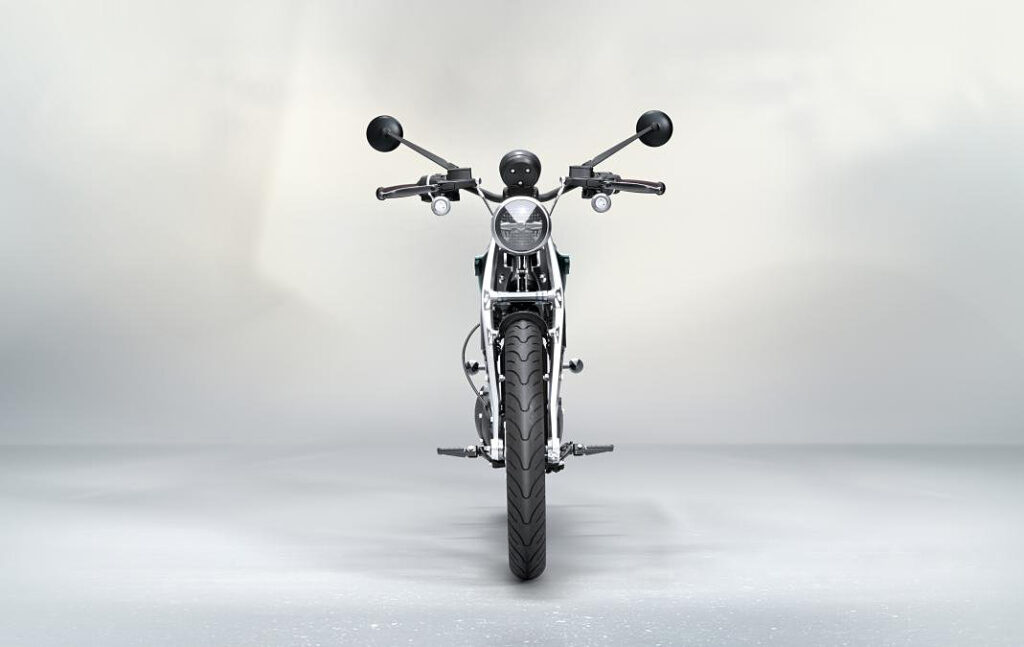
Long fenders and a round headlight complete the look. The result clearly echoes the original Flying Flea while remaining thoroughly modern.
Expected Pricing and Market Positioning
Royal Enfield has not announced official pricing yet. However, sources in India suggest a starting price of around US $2,900 in the domestic market.
That aggressive pricing underlines the brand’s intent. Flying Flea targets global urban commuters, but it also appeals to dedicated riders.
The idea is simple. You could own a Flying Flea C6 for daily city use and still afford a petrol-powered motorcycle for weekends. Two distinctive bikes could cost less than a single premium electric motorcycle.
Love it or question it, Royal Enfield is clearly aiming big with Flying Flea.
Love the mobile holder—it stays firm even on bumpy roads. Must-have for riders